A multiyear integrated campaign for Boulder County Public Health resulting in installation-based public art and lived histories of the COVID-19 pandemic.
SPOILER! Watch the case study video up top for context before you read about our process. It’s a wild project.
Design a vaccine campaign that could cut through noise, misinformation, and fatigue—especially among younger populations and historically underserved communities. The approach needed to move beyond traditional messaging and reach people in ways that felt personal, local, and relevant.
We developed a multi-channel campaign grounded in behavioral insights and community collaboration, ultimately resulting in phone installations holding community stories. The work prioritized local voices, cultural relevance, and real-world presence—meeting people where they were, in both tone and place.
It was. It worked because it didn’t try too hard. The phones were unexpected but familiar, and that balance invited people in. We weren’t selling, persuading, or correcting. We were offering something to sit with—and people did.
And it was effective. Boulder County led the state in vaccine uptake (though that win belongs to many), and we were invited to present the work at Public Health of the Rockies.
The campaign didn’t start as installation art. It began with nearly a year of community research that fed directly into the design process. Initially, we explored traditional PSA concepts (shown below), but as the work evolved, so did our thinking.
We saw the effectiveness—but also the saturation—of murals and static visuals. So we pivoted. The phones offered something different: a physical, interactive moment in public space. Not just to look at, but to engage with. Something strange enough to notice, and human enough to stay with.
All of the stories came from the community—no scripts, no voice actors. Just real people talking about what the pandemic looked like for them. Some were personal. Some were practical. Some were hard to hear.
Nearly 300 stories were collected, and more than half were in Spanish. Every voice was genuine. You can hear a large sampling here: godotcreative.com/covidstories.
It was. The project brought together nearly 300 community contributors and over 50 local officials and creative leaders. We worked across public health, municipal governments, and local arts institutions to align on everything from logistics and placement to tone and voice.
This wasn’t a quick install or a standalone campaign. It required months of coordination, iteration, and relationship-building. Every phone, every story, and every location was deliberate—shaped by the people who live and work in these communities.
You can view the full project map below or at godotcreative.com/BCPH.pdf. If you’re interested in the original research and methodology that informed this work, the initial findings are available here: Focus Group Report (PDF).
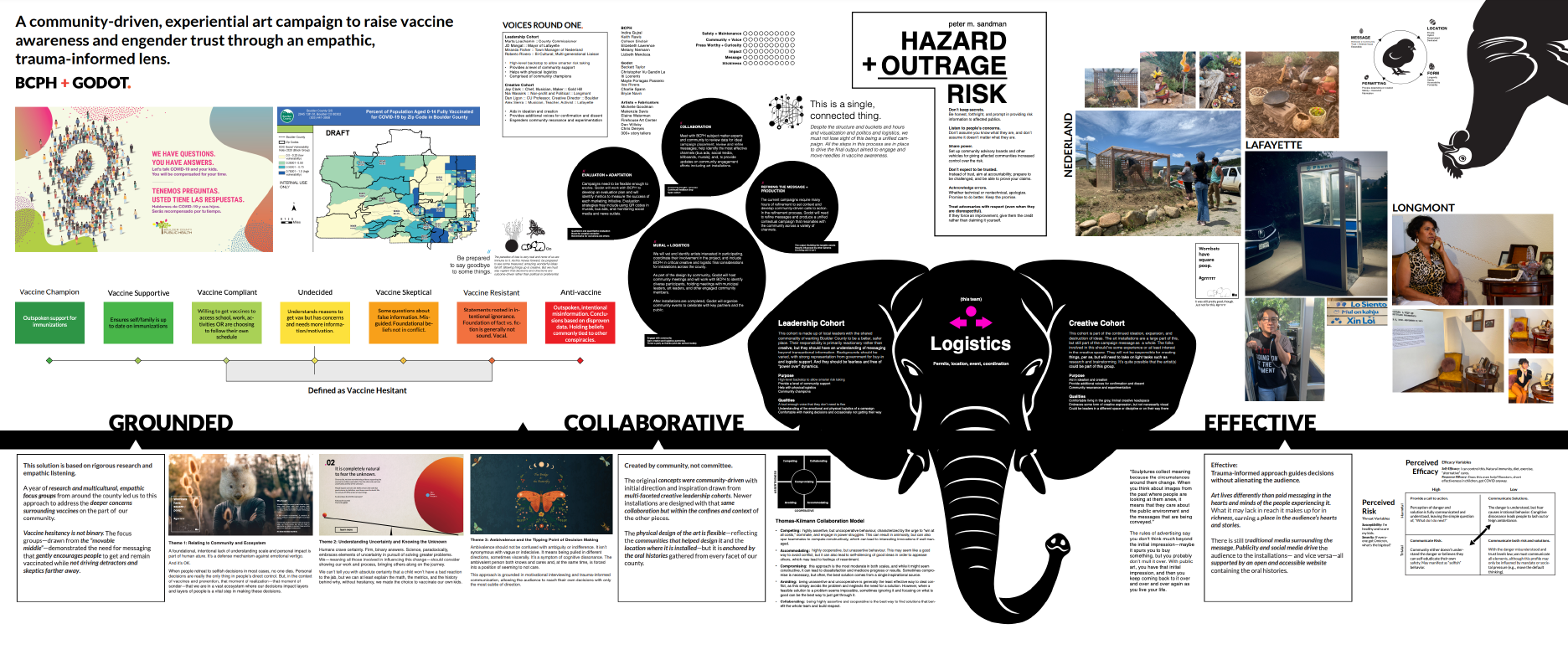
This case study walks through the three-year arc of the project—from defining a spectrum of vaccine hesitancy, to conducting focus groups, to building trust and community, and ultimately arriving at an unexpected, effective campaign.

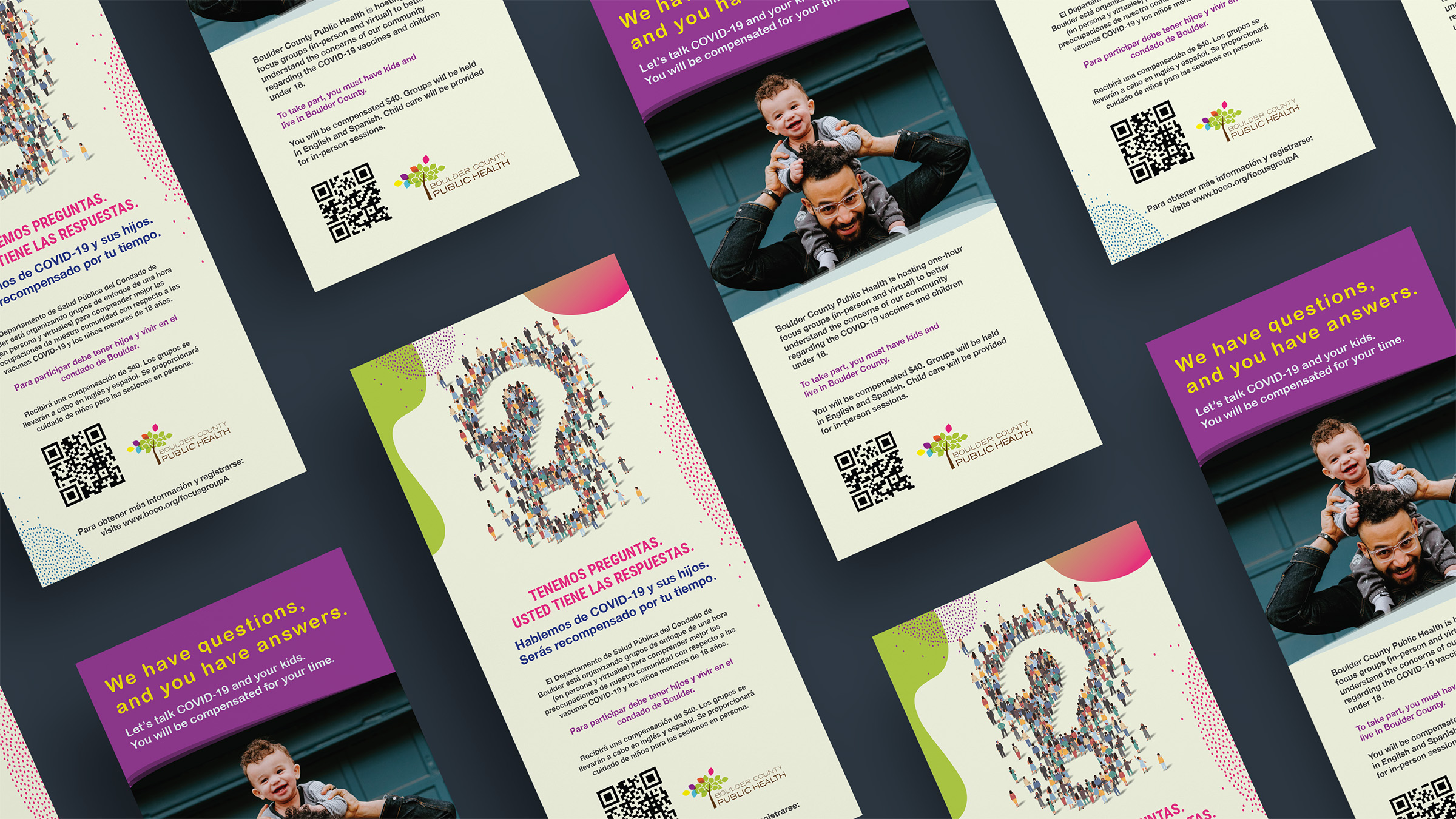
Before pivoting to public art, these treatments were developed and focus grouped based on the themes we discovered around hesitancy.
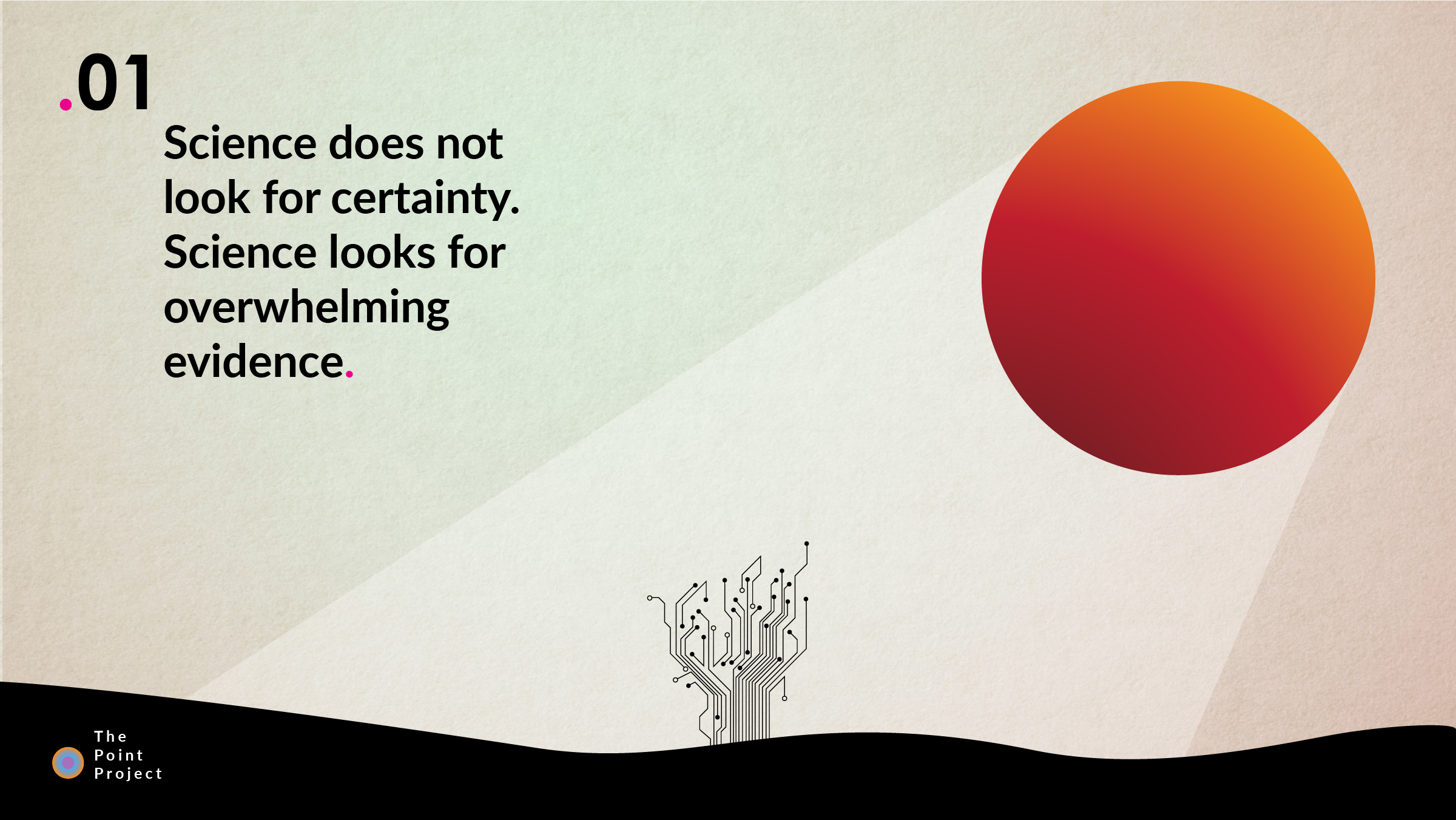
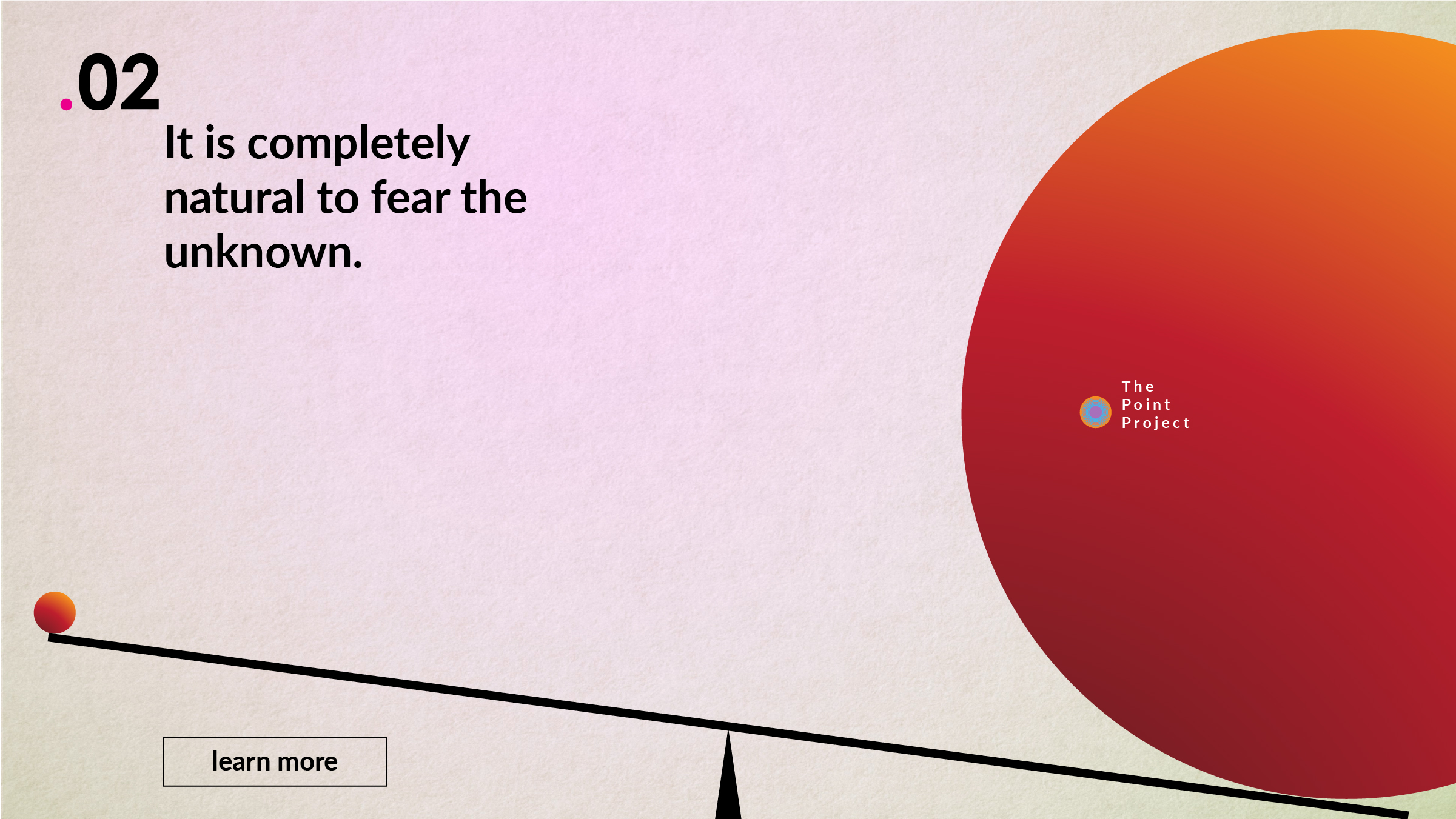
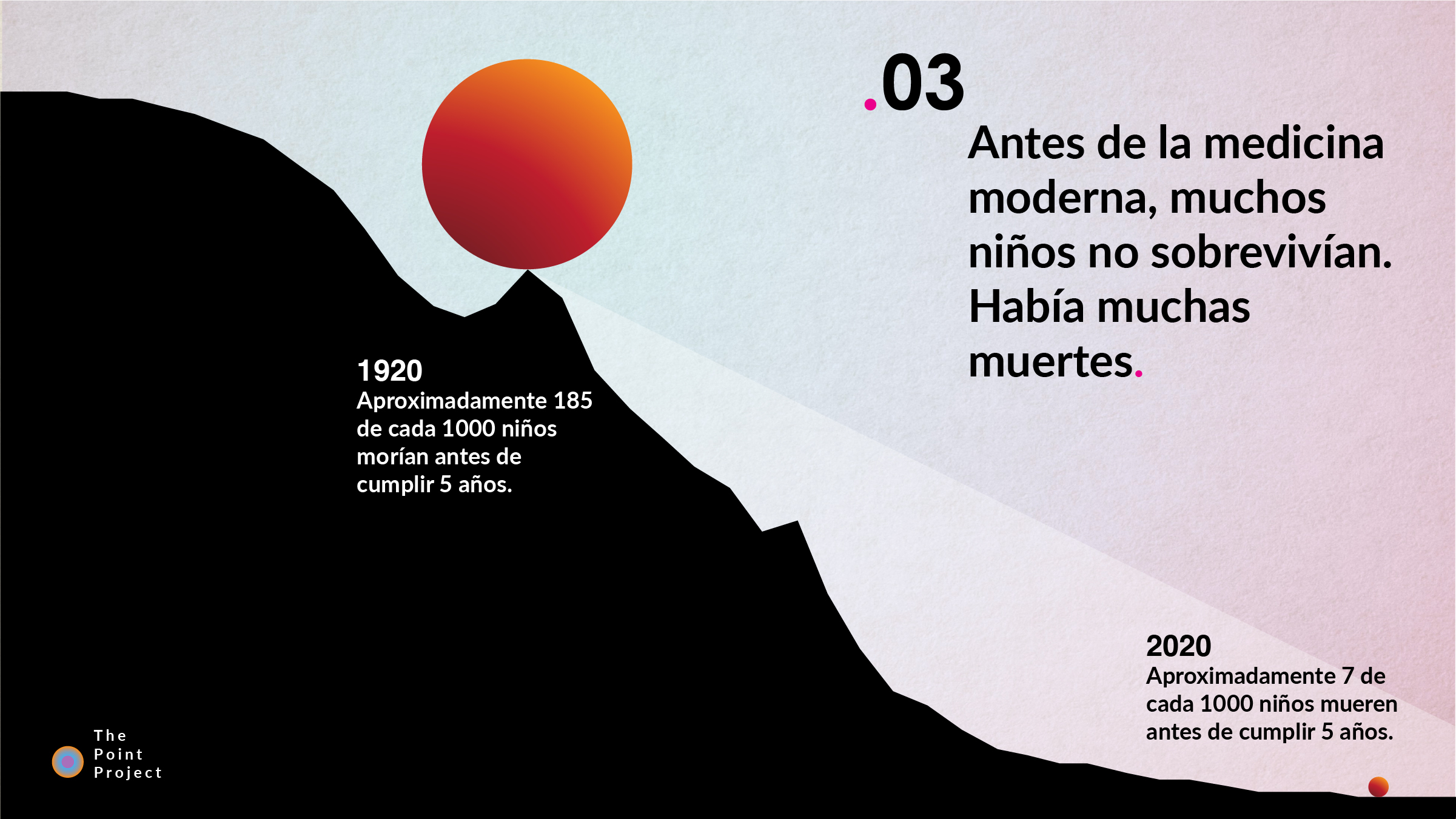
Theme One: Understanding the Unknown.
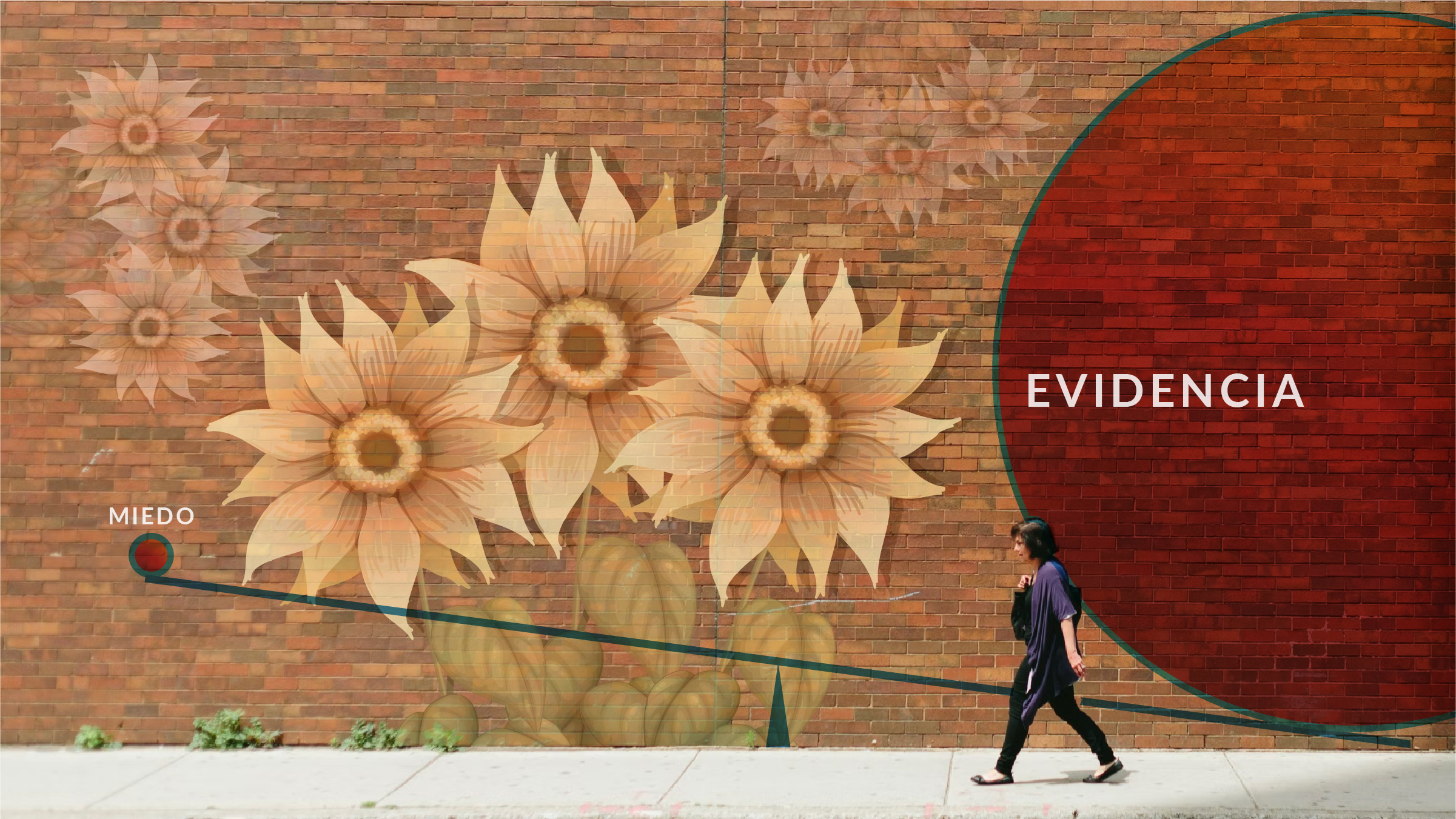
This approach focuses on the unknown and how science interprets and communicates evidence, risk, and reward. It explores the difference between evidence and proof, the relationship between scale and experience, and the dissonance between trust in process versus faith in the individual.
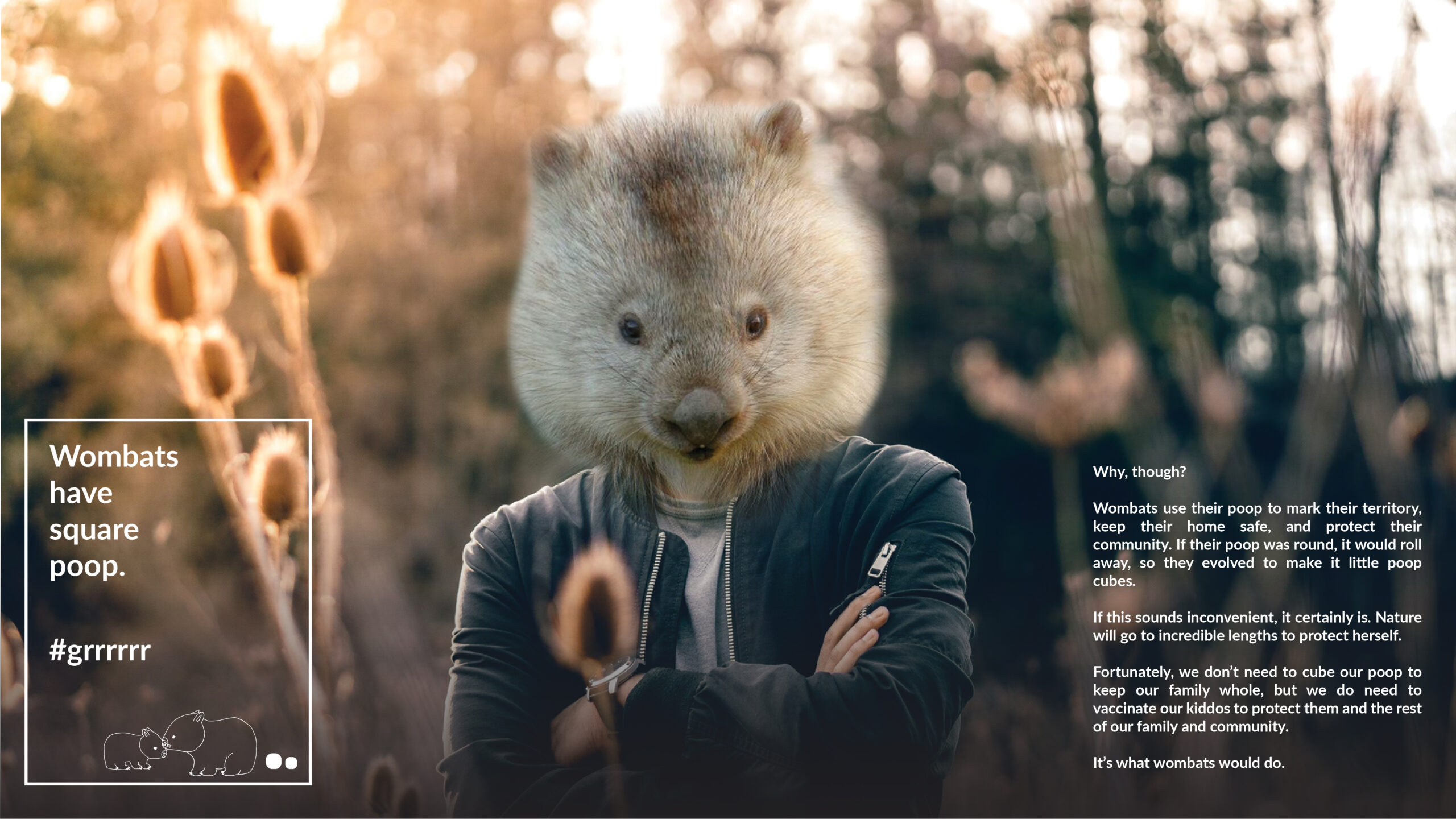
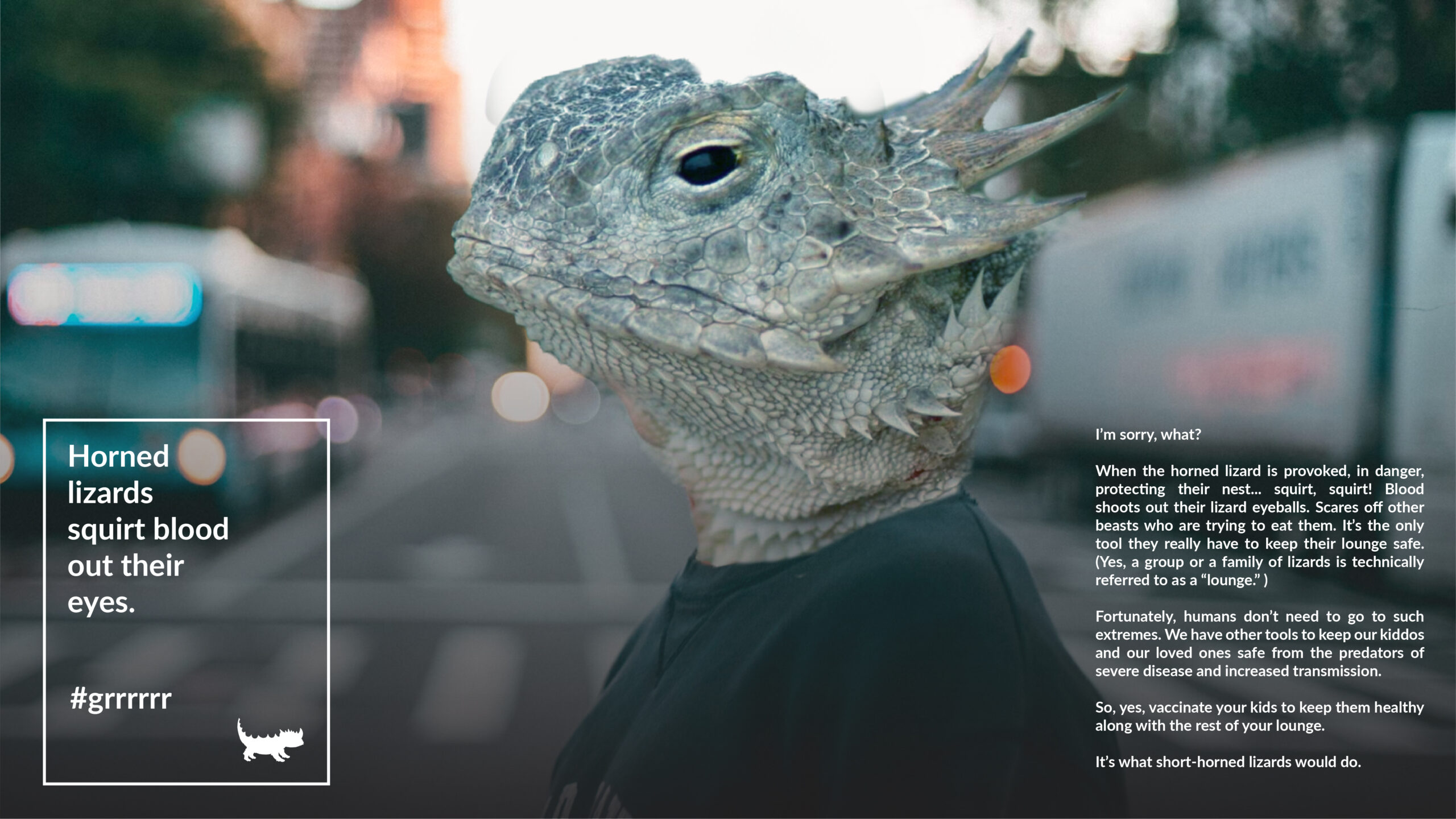
Theme Two: The Community Ecosystem.
When we watch TV commercials, we are often drawn in by that Super Bowl spot that leans into the absurd. Culturally, we’ve reached a point where having a talking gecko sell us car insurance is considered completely normal. Handsome guy on a horse on a boat selling us body wash? Sure. Here, we explore how nature doesn’t just think about itself.
Theme Three: Ambivalence and The Tipping Point.
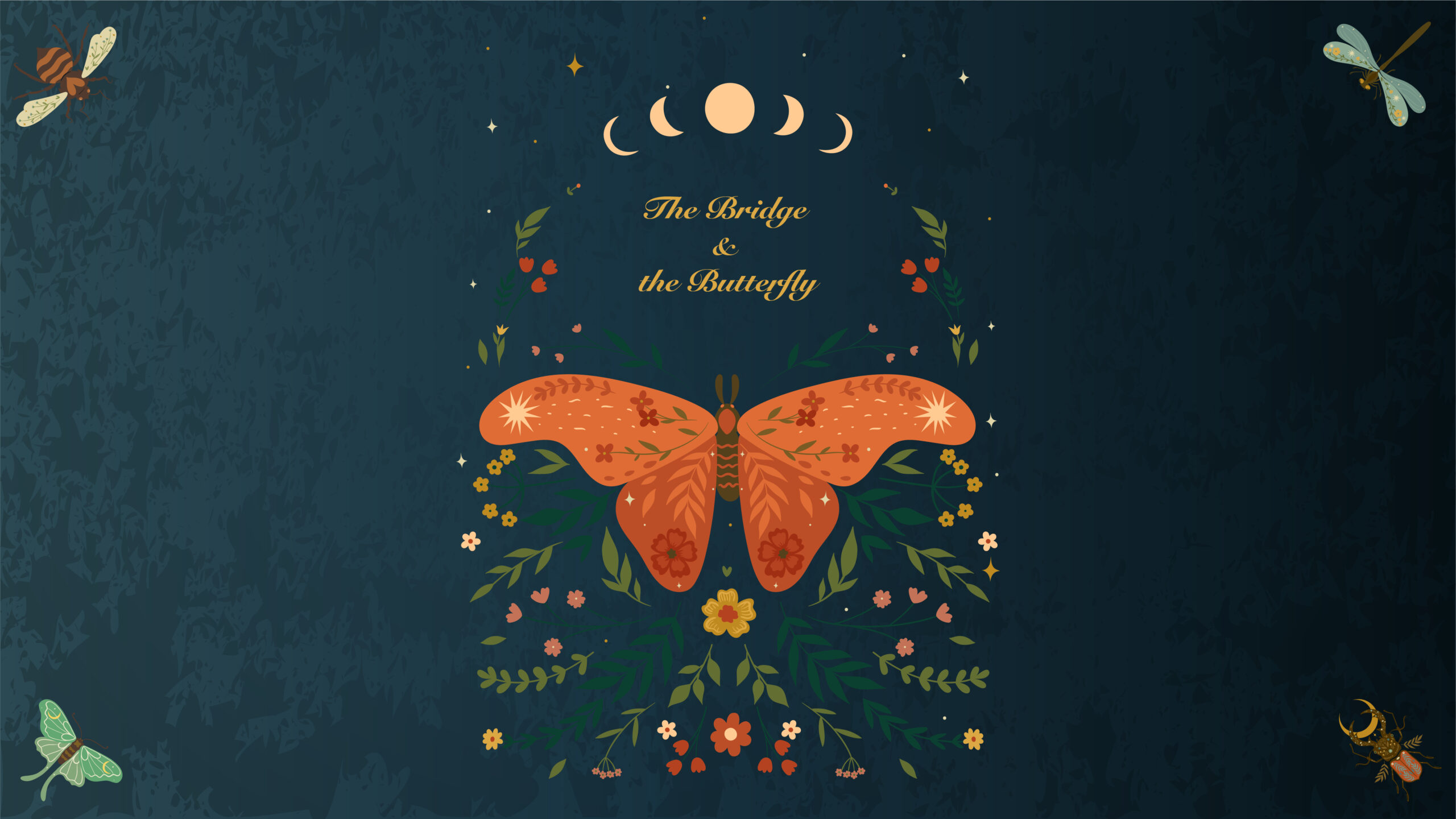
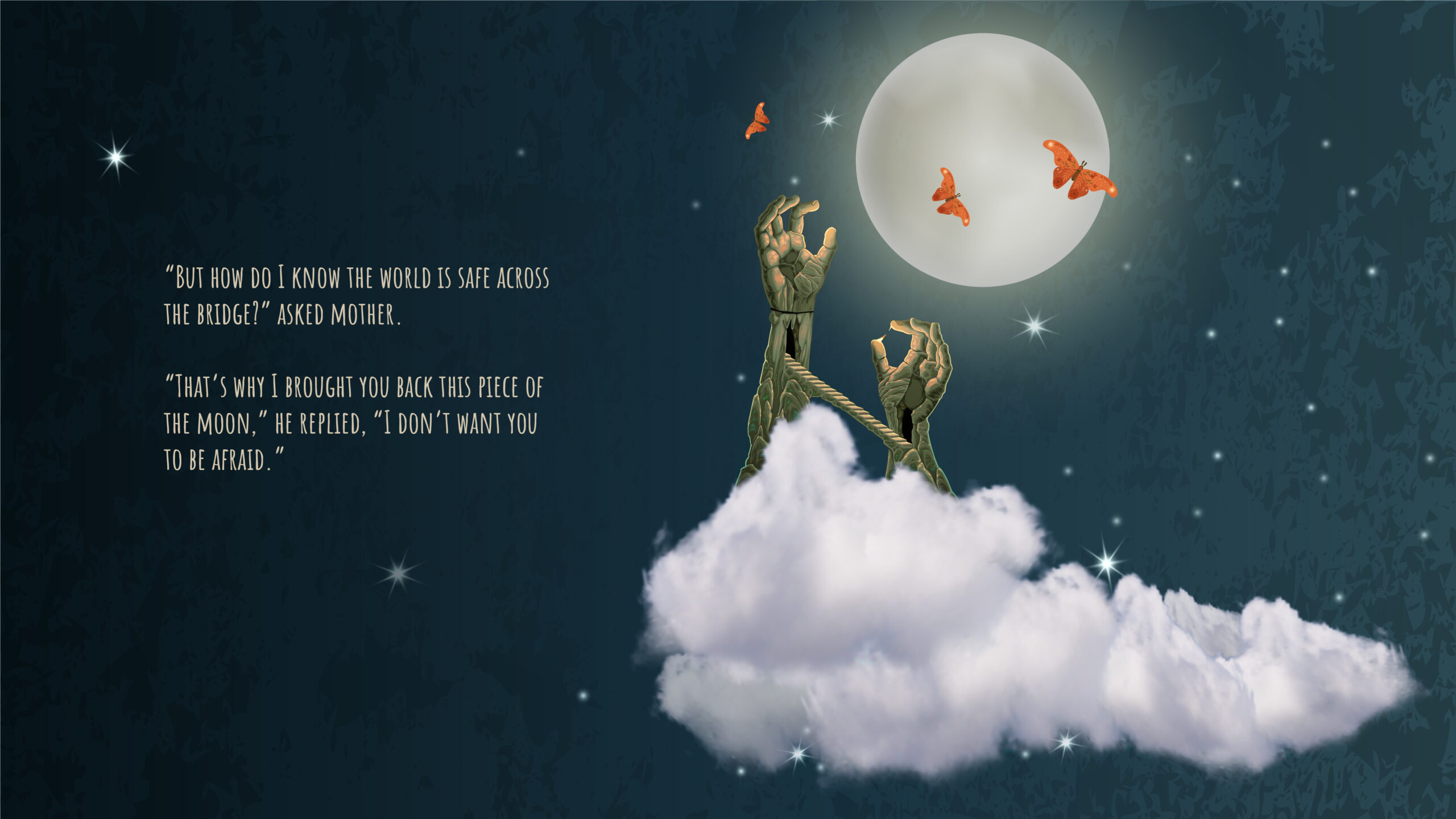
Aesthetics are still a driving, gut-level force in how people ingest information. We connect symmetry to balanced decision making, color palette to care and purpose, detail to quality of product. Sometimes it’s used for good, sometimes it’s used for evil, but it’s universal. In this approach, Godot explored the role of pure aesthetics set against the idea of learning lessons through fables.
As we got deeper into the work, the project shifted. What began as a straightforward campaign quickly evolved—driven by the depth and complexity of what we were hearing. A traditional approach wouldn’t do it justice, so we changed course.

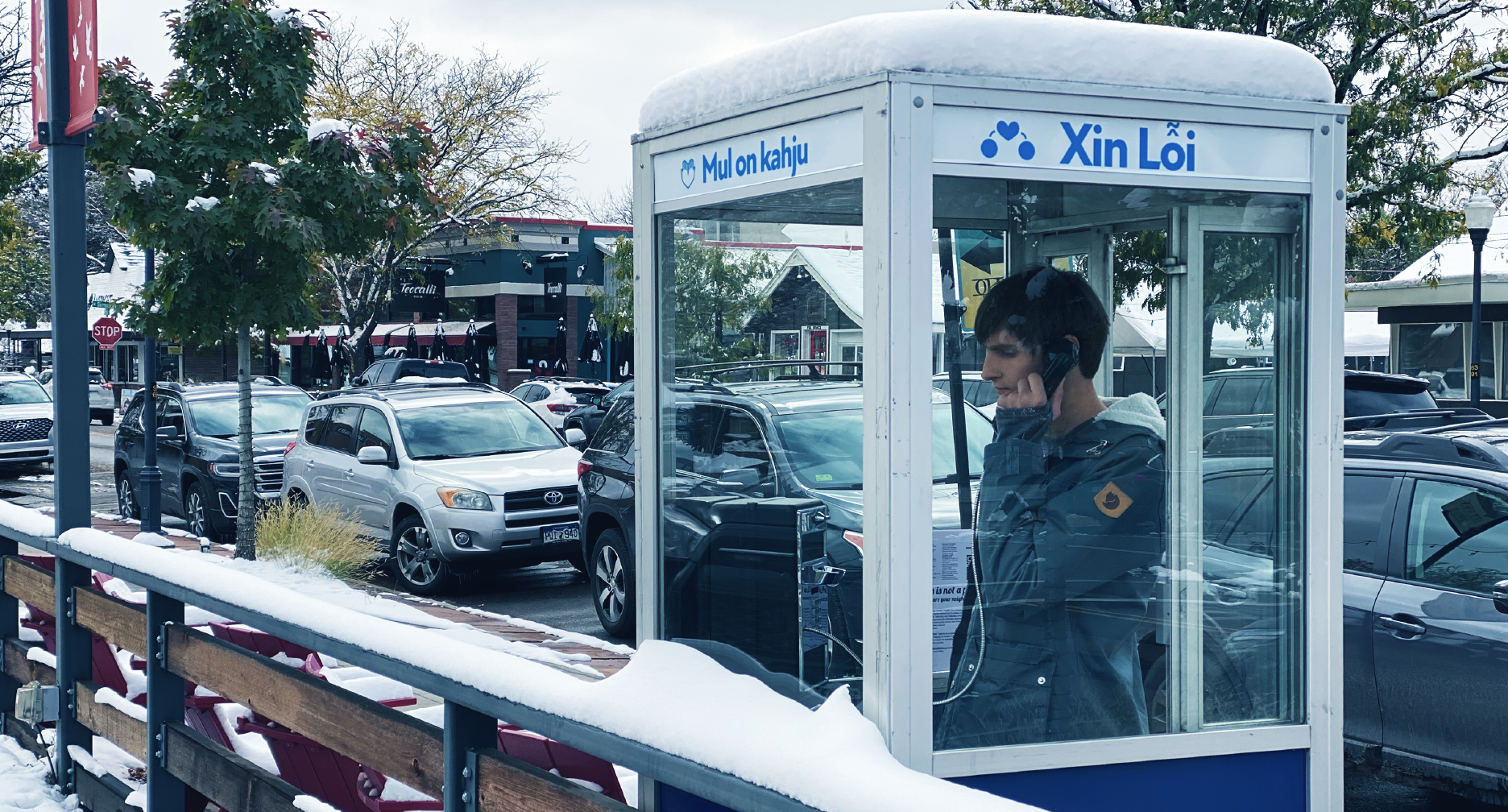
At the heart of this campaign were the hundreds of unedited stories gathered from the community made available online and in the installations.
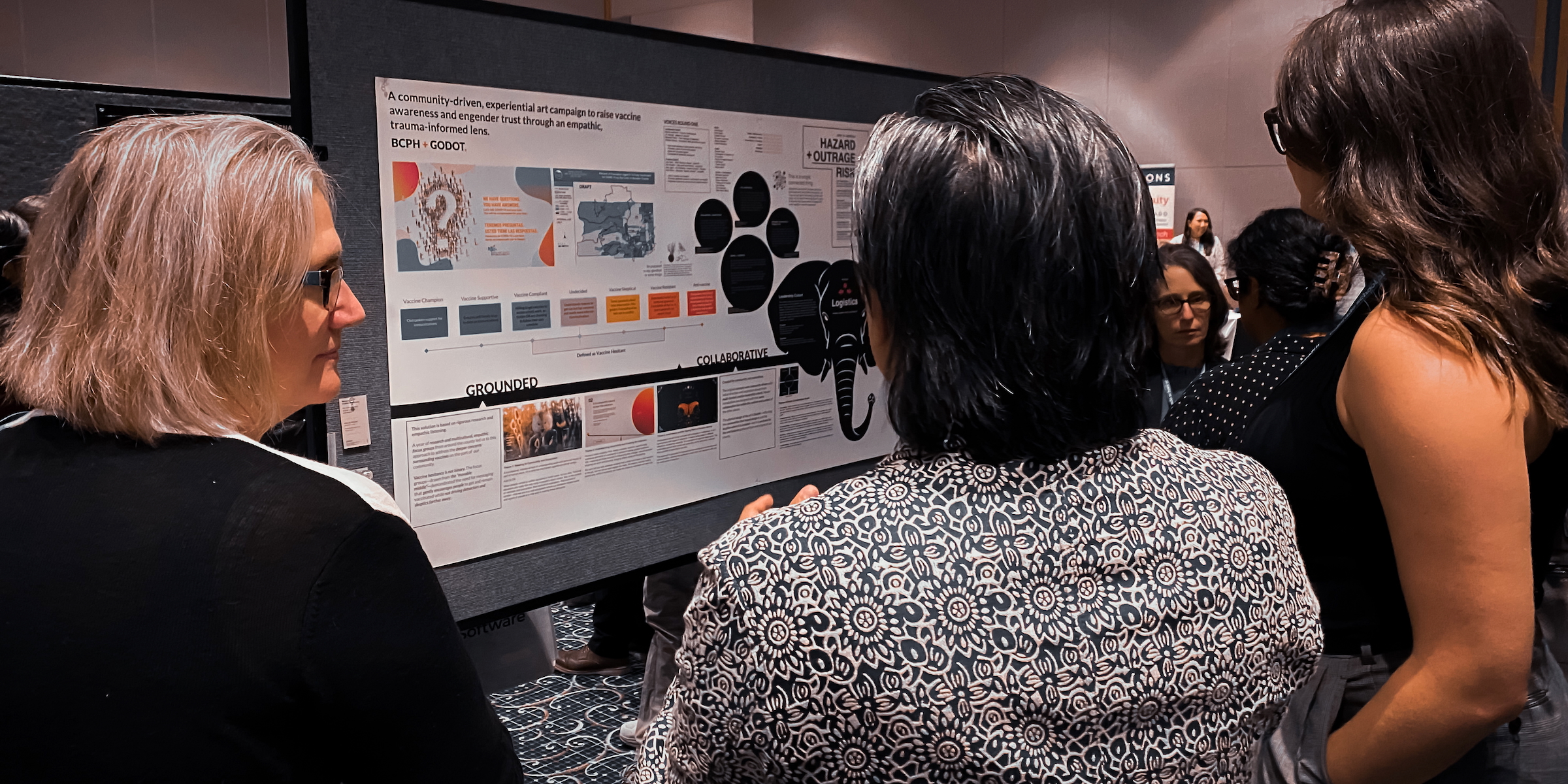
We were invited to present this work at Public Health of the Rockies. This type of thinking—and maybe even this solution—can move needles in your community. If you’re interested in hearing more or having us speak with your organization, please reach out to Vu Gandin Le [email protected]