
Duke’s Fuqua School of Business
Curriculum Design and Development for Foundations of Strategy and Math for Decision Making.
For Math for Decision Making, the goal was to cover essential quantitative skills before students arrived on campus—freeing up class time for deeper engagement with faculty.
For Foundations of Strategy, we needed a new model for group work—one that captured student thinking over time and allowed insights from past cohorts to inform future discussions.
We built two tracks for Duke’s Fuqua School of Business MBA program:
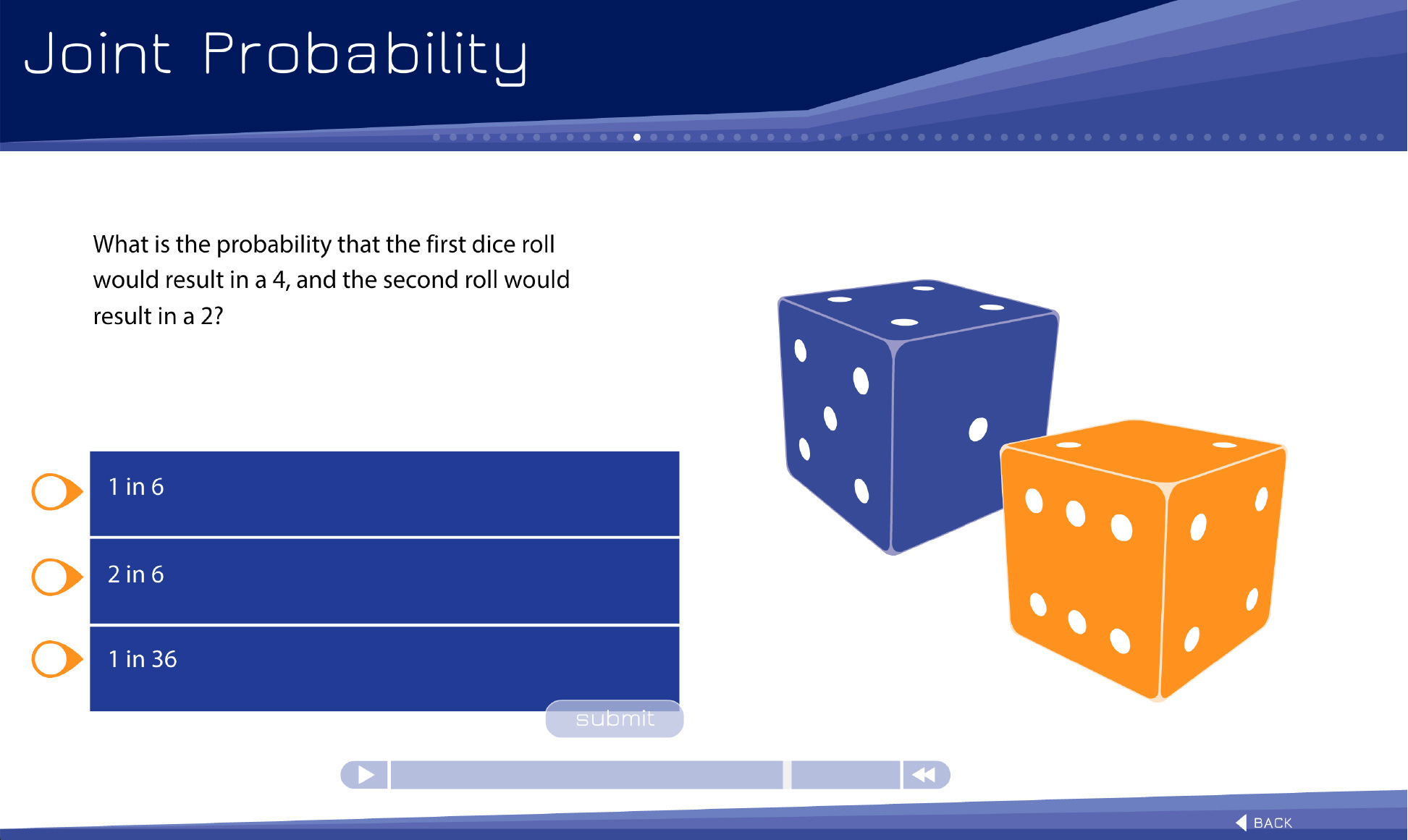
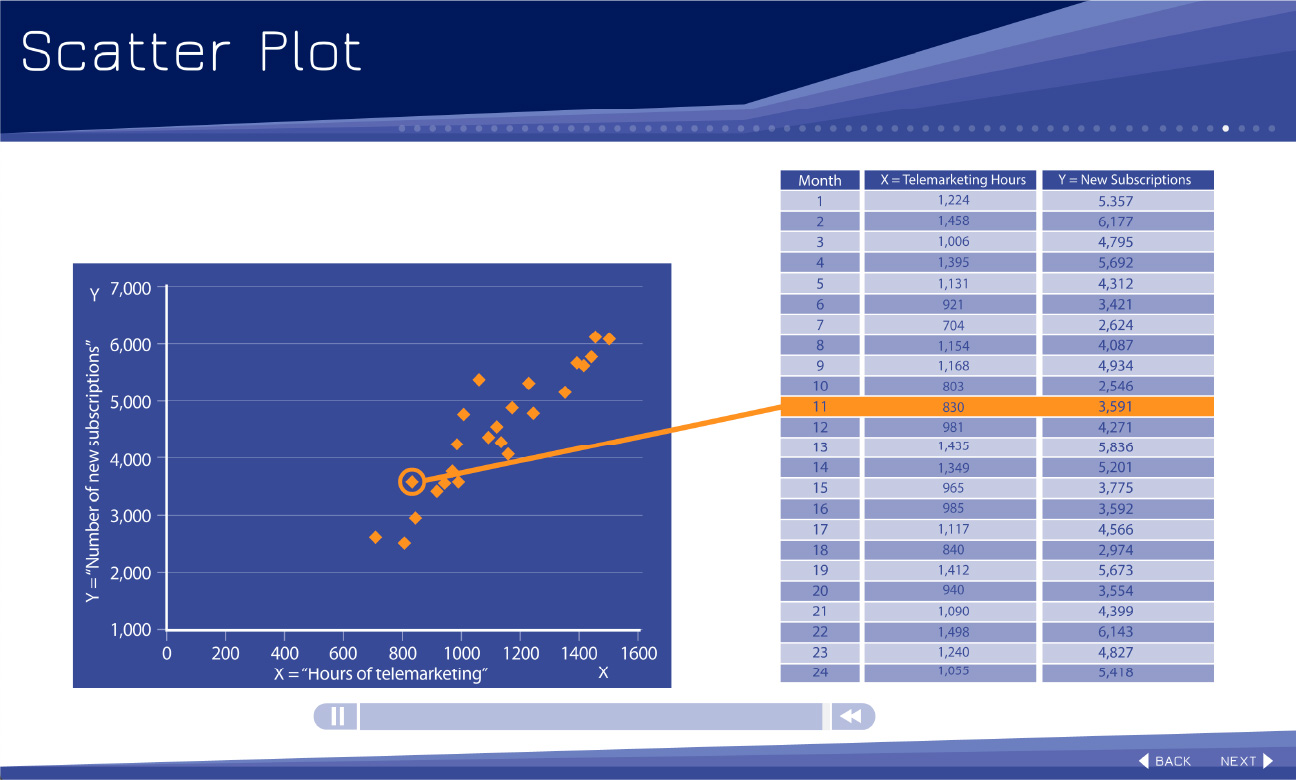
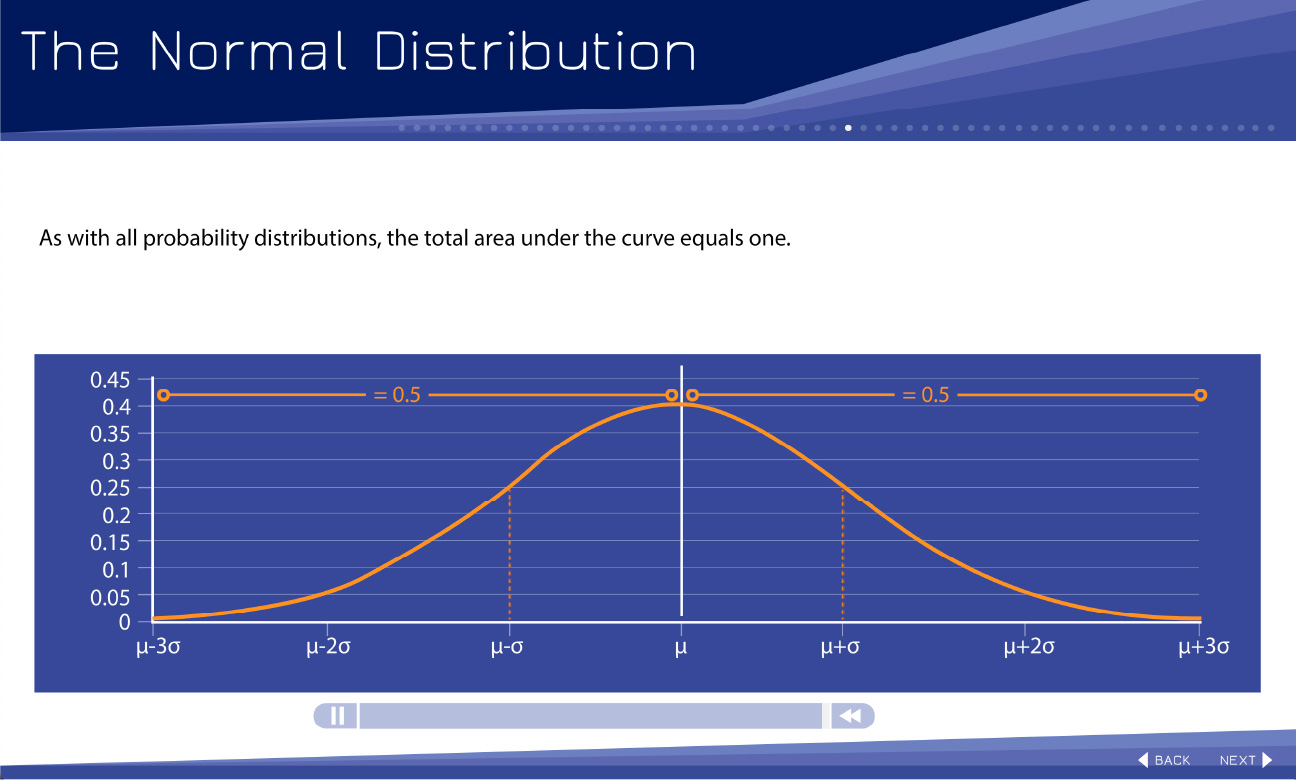
Math for Decision Making: A focused e-learning series covering calculus, statistics, and financial modeling—delivered pre-arrival so students could hit the ground running.
Foundations of Strategy: A highly interactive classroom course where students applied strategic models to real-world cases. Each year’s insights were built into the next, creating a curriculum that evolves over time and gets richer with every cohort.
Duke’s cutting-edge MBA program embraces an ethos designed for deep discussion. This approach fosters an environment where students engage in meaningful dialogue, challenge assumptions, and explore complex ideas in depth. The goal is to cultivate critical thinking, collaborative learning, and a comprehensive understanding of the subjects at hand.
Our work with them was twofold. The first aspect, a series called “Math for Decision Making,” focused on traditional e-learning to prepare incoming students in calculus, statistics, and financial modeling. This ensured they could hit the ground running on day one, without using class time for foundational math.
The second, more complex aspect, called “Foundations of Strategy,” emphasized maximum interactivity in the classroom. Students defined modern business cases using a set of strategic models, with the choices and insights of previous cohorts integrated into future discussions. These evolving contributions enriched learning, serving as dynamic touchpoints for both immediate classroom engagement and ongoing analysis as new perspectives emerged.
It combines visual design with deep strategy for a wickedly demanding audience.
Make no mistake—the real challenge wasn’t the visualization. It was writing the content and building the curriculum to hold up under pressure, in a room full of sharp people who don’t have time for filler.
This wasn’t just strategic thinking—it was explaining strategy. Taking what we do as consultants and turning it into something teachable, defensible, and interactive. It’s that rare intersection where the deepest kind of thinking meets design that can carry it.
It’s also a clear example of the value creative agencies bring when invited upstream—places where we’re often overlooked. And when you’re standing in front of a room of strangers helping them make critical decisions, it helps to know your process was shaped by, and approved by, Duke University.
TRANSLATING THE NATIONAL SECURITY DECISION-MAKING FRAMEWORK INTO A LIVING SIMULATION FOR THE AIR FORCE AND DOCUMENTING THE THINKING OF THE SCHOLARS WHO SHAPED IT.
The National Security Decision Making course had been taught in classrooms and textbooks for decades. The Air Force needed it to work as a functional digital simulation — where officers could practice the actual mechanics of crisis decision-making under pressure, not just study them.
Godot translated the NSDM framework into a branching digital simulation, built a Course of Action generator, and wrote and designed original case studies. Then produced a five-part documentary series featuring the scholars who lived through the decisions being studied — including Ole Holsti, Robert Jervis, and Sergei Khrushchev, son of the Soviet Premier.
The simulation was built around the same decision architecture officers would actually use — not a simplified version of it. The COA generator forced players to think through consequences before committing. The case studies were original, designed to hold up under scrutiny from people who knew the material cold. For the documentary, we sat down with six Cold War scholars — now political science professors — who were inside the rooms where these decisions were made. Sergei Khrushchev watched the Cuban Missile Crisis unfold from his father’s side. The documentary is the most shareable piece of a much larger engagement.